What is Bronchitis in Children?
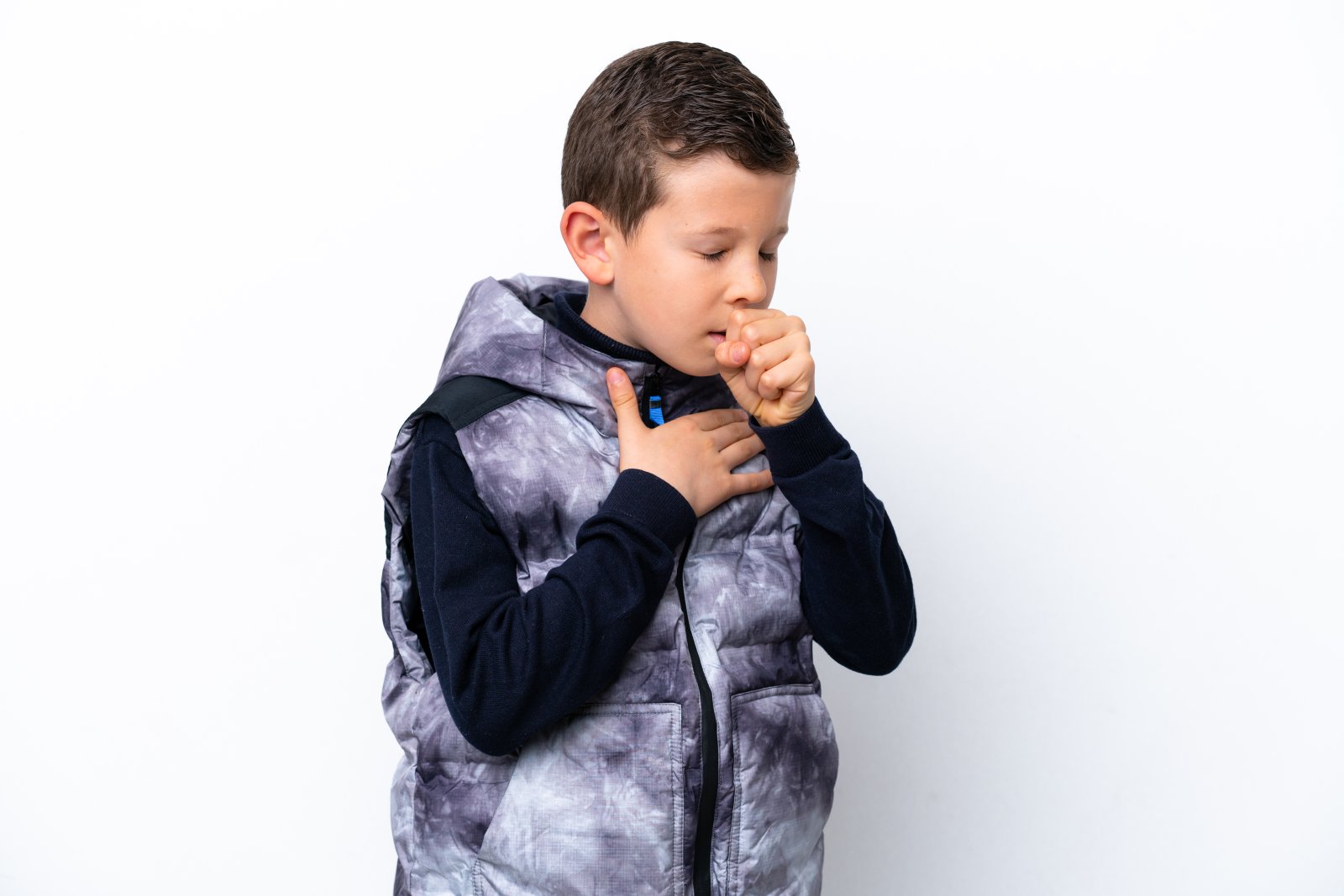
Bronchitis in children is a common illness. It happens when the airways in the lungs, called bronchi, become swollen and filled with mucus. Because of this, children may cough and have trouble breathing. Usually, bronchitis in children is caused by a virus. However, sometimes bacteria or other irritants can also lead to this condition. Early care can help children recover faster and prevent problems.
Common Symptoms
Children with bronchitis often show several signs. For example, they may have:
Sometimes, symptoms can seem like a common cold. But if the cough lasts more than a week, it may be bronchitis. In many cases, children also feel more tired than usual.
Causes and Risk Factors
Most often, bronchitis in children is caused by viruses, such as those that cause colds or the flu. However, there are other causes and risk factors, including:
Because young children have smaller airways, they are more likely to get bronchitis. Also, children in daycare or crowded places have a higher risk.
How Bronchitis is Diagnosed in Children
Doctors use several steps to diagnose bronchitis in children. First, they ask about symptoms and listen to the child’s chest with a stethoscope. Sometimes, they may order tests, such as:
Usually, a physical exam and medical history are enough. However, extra tests help if symptoms are severe or last longer than expected.
Treatment Options
Most cases of bronchitis in children get better on their own. Because viruses cause most cases, antibiotics are not usually needed. Instead, treatment for bronchitis in kids focuses on easing symptoms. For example:
Sometimes, if a bacterial infection is found, the doctor may prescribe antibiotics. In rare cases, children with asthma may need inhalers or other medicines.
Home Care and Lifestyle Tips
There are many ways parents can help their child feel better at home. For instance:
Because comfort is important, make sure your child feels safe and cared for during recovery.
Prevention Strategies
While not all cases can be prevented, there are steps you can take to lower the risk of bronchitis in children. For example:
Because prevention is key, these habits can help keep your child healthy.
When to See a Doctor
Sometimes, bronchitis in children can become serious. You should call your doctor if your child:
Early medical care can prevent complications. Therefore, do not wait if you are worried about your child’s health.
Consult a pediatrician at Arkaa clinics for personalized advice if you suspect bronchitis in your child.