What is Mumps in Children?
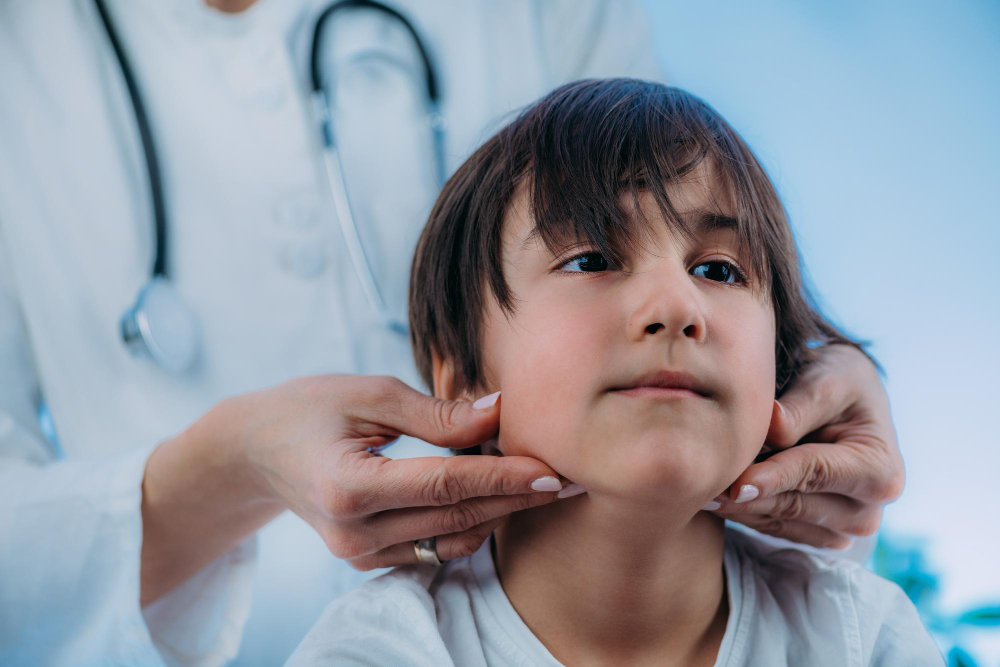
Mumps in children is a viral infection that mainly affects the salivary glands. These glands are found near the ears. When a child has mumps, their cheeks or jaw may swell. Although mumps is less common today due to vaccines, it can still occur. Early detection is important because mumps can spread easily among children. According to the CDC, mumps is most common in children who have not received the mumps vaccine. Understanding mumps in children helps parents keep their kids healthy.
Symptoms of Mumps in Children
Symptoms of mumps in children usually appear two to three weeks after exposure. However, some children may not show any signs at first. Early symptoms can be mild, but they often get worse over time. Watch for these signs:
Sometimes, children may also have a sore throat or mild stomach pain. If your child has these symptoms, it is wise to contact your doctor.
Causes and How Mumps Spreads
Mumps is caused by the mumps virus. This virus spreads easily from person to person. Usually, it spreads through:
Because mumps spreads through saliva, children in close contact, such as in schools or daycare, are at higher risk. Importantly, a child with mumps can spread the virus before symptoms appear and for several days after swelling starts. Therefore, keeping sick children at home helps prevent outbreaks.
Diagnosis of Mumps in Children
Doctors diagnose mumps in children by looking at symptoms and medical history. Often, the swelling of the cheeks or jaw is a key sign. However, to confirm mumps, doctors may order tests. These tests can include:
Sometimes, doctors may also check for other illnesses with similar symptoms. Early diagnosis helps prevent the spread of mumps in children.
Treatment Options
There is no specific cure for mumps in children. However, most children recover fully with home care. Doctors focus on easing symptoms and preventing complications. Treatment options include:
Importantly, never give aspirin to children, as it can cause serious side effects. If symptoms get worse or new problems appear, call your doctor right away.
Prevention and Vaccination
The best way to prevent mumps in children is through vaccination. The mumps vaccine is part of the MMR vaccine, which also protects against measles and rubella. According to the CDC and WHO, children should get two doses:
Vaccinated children are much less likely to get mumps. However, even with the vaccine, rare cases can still happen. Besides vaccination, you can help prevent mumps by:
Staying up to date with vaccines is the most effective way to protect your child.
Home Care and When to See a Doctor
Most children with mumps recover at home. However, home care is important for comfort and recovery. Try these tips:
However, you should call your doctor if your child:
Early medical care can help prevent serious problems.
Frequently Asked Questions (FAQs)
If you suspect your child has mumps, consult a pediatrician Dr. Brundha reddy- Arkaa clinics for personalized advice.